

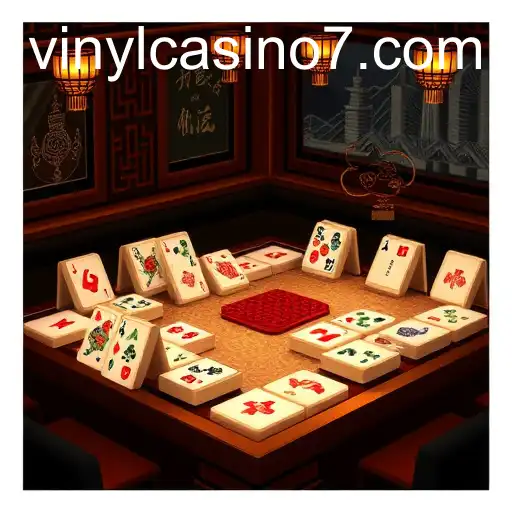
The Enduring Appeal of Mahjong: A Journey Through Time
Mahjong, a game steeped in history and tradition, continues to captivate players around the world. Originating in China during the Qing dynasty, this tile-based game has transcended cultural and geographical boundaries to become a beloved pastime for many.
The Origins of Mahjong
The origins of Mahjong are somewhat shrouded in mystery, with several theories existing about its creation. What remains undisputed is its rise to popularity in the late 19th and early 20th centuries in China. Initially regarded as a game of strategy and chance, it quickly became a social activity among the Chinese elite.
The Game Structure
Mahjong is typically played with a set of 144 tiles, though the exact number can vary depending on the regional variant. The game involves four players, each trying to form certain combinations of tiles to win. These combinations, akin to poker hands, are called melds and include pungs, kongs, and chows.
The Importance of Strategy
While luck plays a role in Mahjong, strategy is paramount. Players must decide which tiles to discard and which to keep, predicting opponents' moves while preparing to complete their own hands. This strategic depth is one of the reasons Mahjong has maintained its popularity.
Mahjong and Modern Technology
The advent of technology has brought Mahjong into the digital age. Online platforms such as 258bet.bet have made it easier for players to enjoy the game from the comfort of their homes. These platforms offer a wide range of Mahjong variants, catering to both new players and seasoned experts.
The Rise of Online Mahjong
Online Mahjong has gained traction due to its accessibility and the opportunity to connect with players globally. Websites like 258bet.bet not only allow users to play against computer algorithms for practice but also offer competitive tournaments where players can showcase their skills.
Cultural Impact and Global Spread
Mahjong is more than just a game; it's a cultural phenomenon. It plays a significant role in social gatherings and festivals in many Asian communities. Additionally, Mahjong has found its way into popular Western culture, featured in movies, books, and even art.
Mahjong in the West
In the early 20th century, Mahjong was introduced to the United States and Europe, evolving to suit different cultural contexts while retaining its core mechanics. The American version, for example, includes a standardized card and specific rules distinct from its Asian counterparts.
The Social Aspect of Mahjong
At its heart, Mahjong is a social game. It fosters connections among friends and family and serves as a medium for intergenerational bonding. The clattering of tiles, the heated exchanges of strategy, and the cheerful banter are integral to the Mahjong experience.
Mahjong and Mindfulness
In recent years, Mahjong has also been recognized for its cognitive benefits. Playing the game requires mental acuity and concentration, which can help improve memory and cognitive function. This has led to its adoption in therapeutic settings for the elderly, providing mental stimulation and social interaction.
Conclusion
The timeless game of Mahjong has evolved from its ancient roots to embrace modern innovations. Whether played in a bustling parlor in Shanghai or virtually on a platform like 258bet.bet, Mahjong continues to bring joy and challenge to millions worldwide. Its rich history, strategic depth, and social significance ensure that it will remain a treasured game for generations to come.